By Shummel Uddin, NIHR ARC Yorkshire and Humber (YH ARC) Co-Production and Community Engagement Manager
“People with lived experience have knowledge that professionals cannot learn from books, and that knowledge should be recognised and respected.”
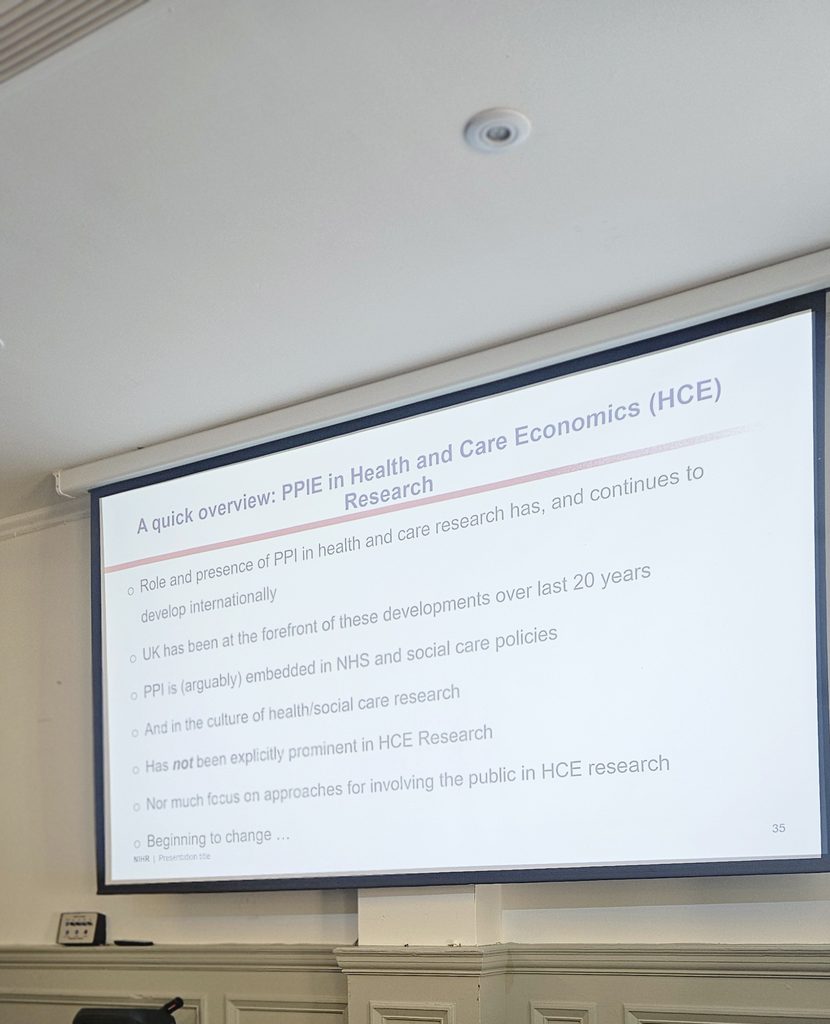
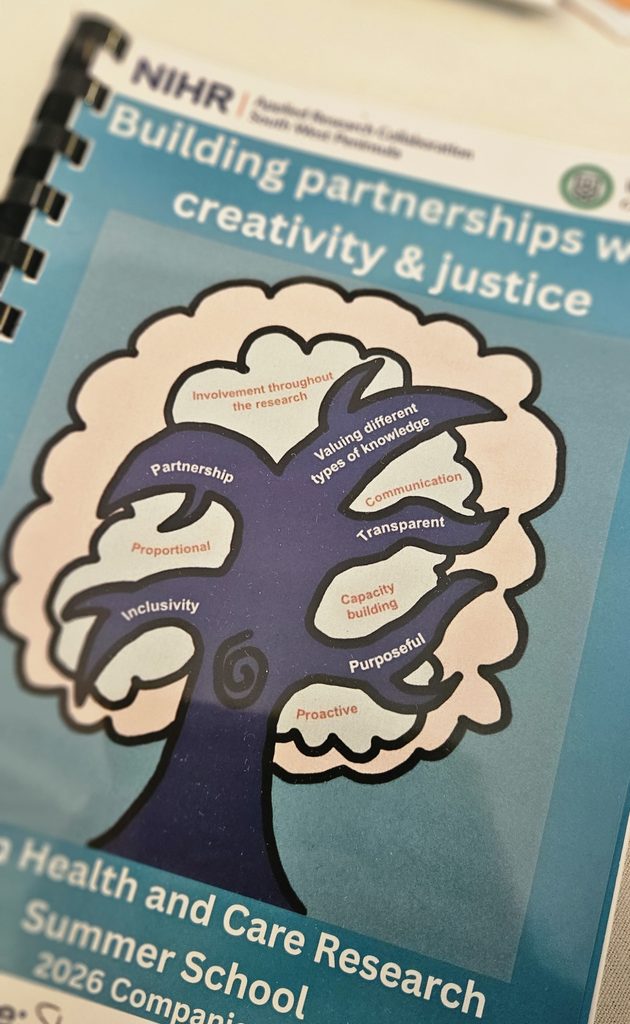
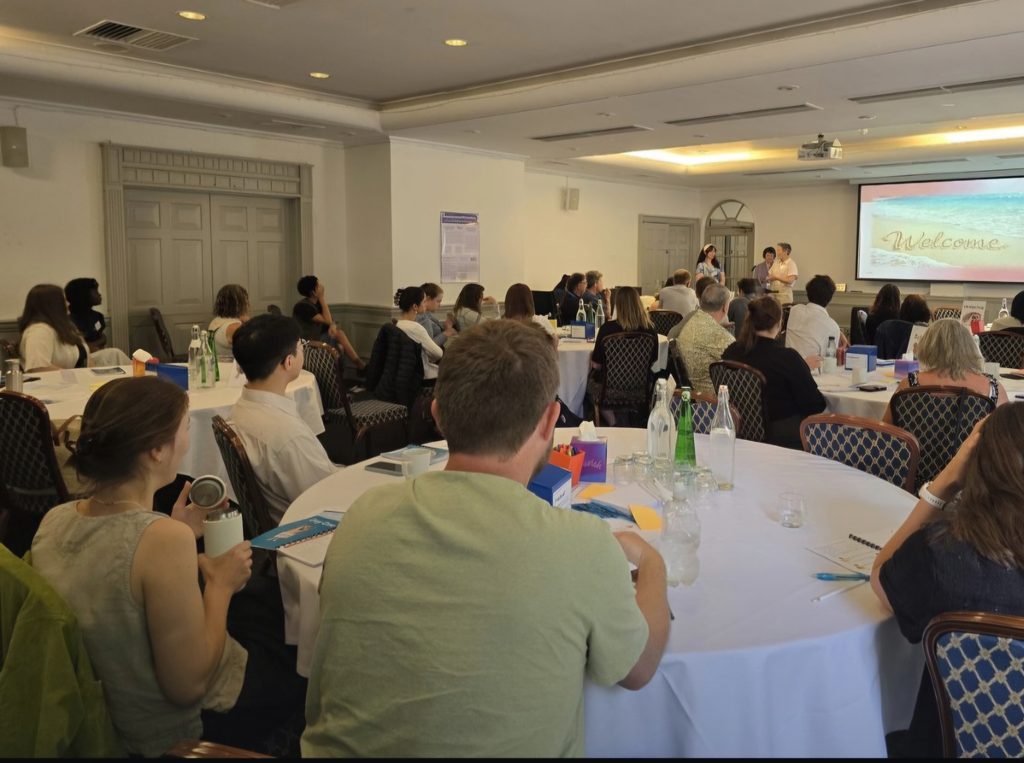
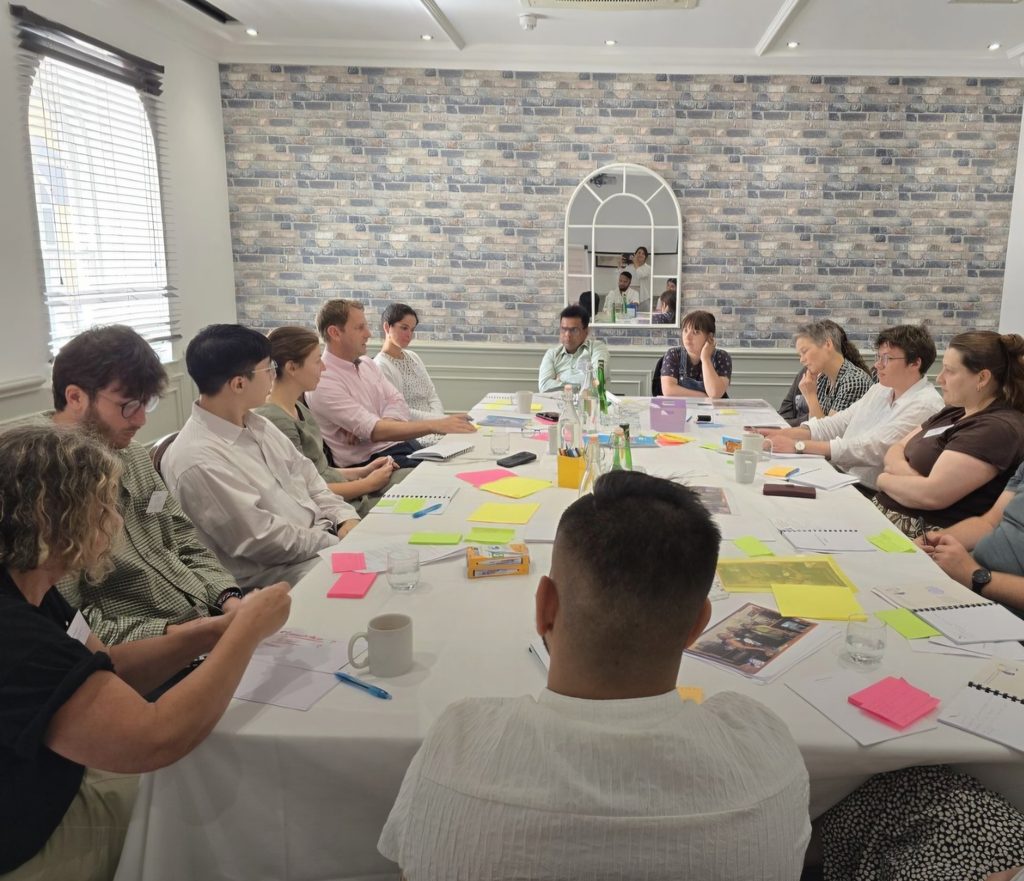
Attending the Patient and Public Involvement and Engagement (PPIE) Summer School was a valuable opportunity to learn, reflect and connect with others working to make research and community engagement more inclusive. The three-day course, hosted by NIHR Applied Research Collaboration (ARC) South West (formerly PenARC) in partnership with the University of Exeter, brought together people involved in public involvement, engagement and participation (PPIE) from across the country. It also showcased the value of collaboration across the national ARC network, creating opportunities to share knowledge, learn from different approaches and strengthen public involvement practices across regions. For YH ARC, these connections help us bring new ideas and learning back into our work with communities, researchers and partners across the region.
As a Co-Production and Community Engagement Manager, I regularly work alongside communities to ensure their voices help shape research and services. The Summer School gave me the chance to meet people from different organisations and hear about the work they are doing with communities across the country. Although we all work in different settings, it was reassuring to discover that many of us face similar challenges when trying to engage people from diverse backgrounds and communities.
One of the most useful aspects of the event was learning about the different ways organisations build relationships, gain trust and encourage people to get involved. It reinforced the idea that there is no one-size-fits-all approach to engagement. Every community is different, and meaningful involvement requires us to be flexible, responsive and willing to adapt our methods to meet people’s needs.
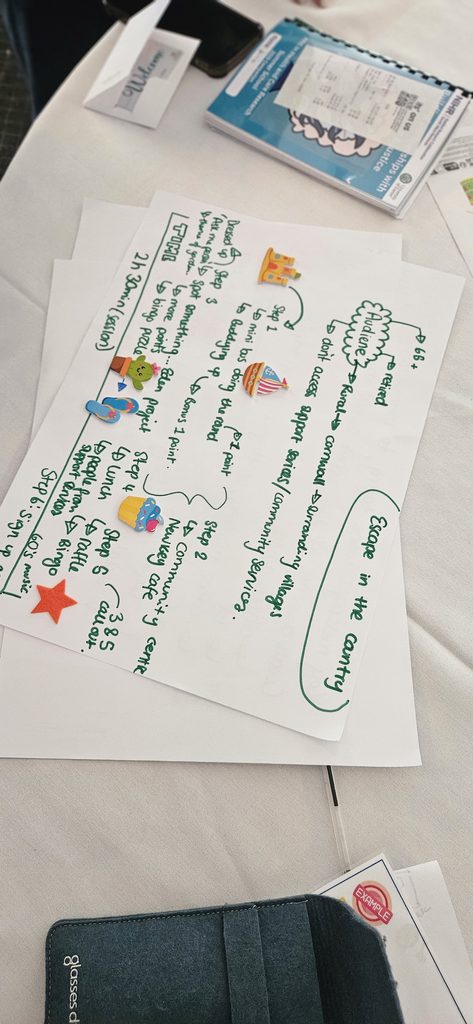
The workshops were a particular highlight. They introduced creative approaches to engagement that moved beyond traditional meetings and discussions. These activities encouraged people to express themselves in different ways and demonstrated how creativity can help make involvement more inclusive and accessible. I could see how these approaches would be especially valuable when working with individuals who may not feel comfortable speaking in group settings.
One topic that particularly resonated with me was epistemic injustice. While it may not be a term that everyone is familiar with, the concept is highly relevant to co-production and community engagement. It highlights how people’s experiences and perspectives can sometimes be overlooked or undervalued because of who they are or where they come from.
People with lived experience offer insights that cannot be found in textbooks or professional training. Their expertise is essential to shaping research that is relevant, meaningful and impactful.
Another thought-provoking discussion explored the shift from creating safe spaces to creating brave spaces. While it remains important to ensure people feel safe and supported, brave spaces encourage honest conversations about difficult or uncomfortable topics. These conversations can challenge assumptions, deepen understanding and strengthen relationships. I left the session reflecting on how we can create environments where people feel empowered to share their experiences openly while knowing they will be listened to with respect.
Overall, the Summer School left me feeling inspired and motivated. It was an opportunity to learn from others, share experiences and gain practical ideas that I can apply in my own work. Most importantly, it reinforced the importance of listening, learning and working alongside communities rather than making assumptions about what they need. By valuing lived experience and creating opportunities for meaningful participation, we can help ensure that research is more inclusive, relevant and impactful for the people it aims to serve.