By Kelis Durkin, a Born in Bradford Research and Implementation Assistant
What is ACCESS-ED? ACCESS-ED aims to understand how to conduct research into eating disorders with young people.
Young people and their parents and teachers are currently participating in short interviews to share their perceptions and views of eating disorder research with young people aged 11-16 years old in secondary school settings.
Participants are taking part in 20-minute interviews with a trained interviewer. The interview consists of questions around their current understanding of what an eating disorder is, what safety measures should be in place in schools to conduct such research and what their current views are of young people within this context.
As a result of participating, volunteers will receive a voucher as a thanks for their time. From this, the hope is to use the results from these interviews to improve the ways in which research into eating disorders with young people is conducted in school settings.
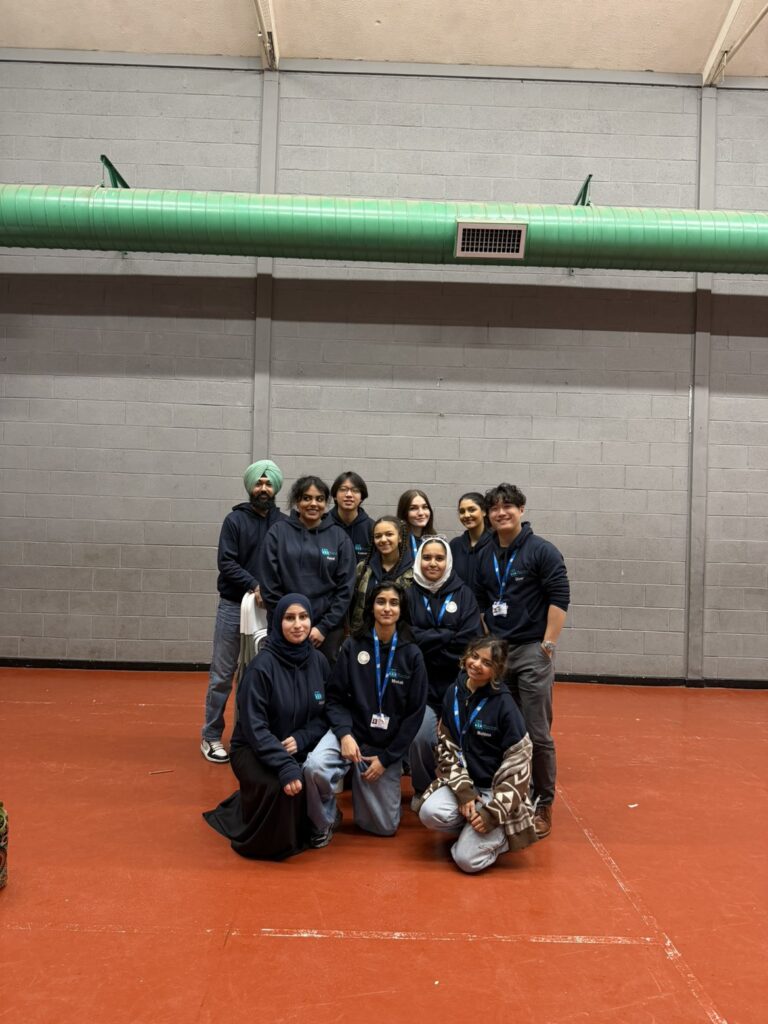
I, alongside a number of the other interns/research assistants on placement this year have been trained to conduct these interviews. This training has included a presentation on key interviewing skills, video examples, practice interviewing and suggestions for follow-up questions.
Since completing this training, I personally have had the opportunity to interview both teachers and parents for ACCESS-ED. It has been interesting for me to gain experience as an interviewer, given that I have only ever been an interviewee previously. Not only has this improved my communication skills, but it has boosted my confidence in engaging in new experiences as well.
The general role of an intern at Born in Bradford (BiB) varies across projects. I personally am involved in the BiBBS ACHIEVE project that has started this year, which has involved a variety of tasks from producing information sheets to send out to schools, to data collection training. However, regardless of the project, all interns are encouraged to get involved in areas of interest at BiB. An example of this would be ACCESS-ED!
The issue of eating disorders and disordered-eating research is an extremely valuable discussion to have with young people, and it appears to be one that many interns are interested in being involved in this year.
“It’s been really good so far. I’ve enjoyed getting hands-on experience in qualitative research. Being able to conduct interviews is very exciting!”- Kylah Royston, Age of Wonder.
“My experience in helping with ACCESS-ED has been very insightful. I have learnt how to conduct an interview and what it takes to have a successful one. Also, in my experience I have gained some understanding about eating disorders and how young people perceive it.”- Alishba Khan, QLR.
“Working as an interviewer for ACCESS-ED has helped me further my knowledge of what it means to have an eating disorder. The varied opinions from teachers, parents and students alike has opened my eyes to how we can better run an ethical clinical trial about disordered eating.”- Oliver Cheung, Age of Wonder.
To summarise, not only is this project allowing us to gain a better understanding of how best to conduct studies on eating disorders with young people, but it has also given interns the opportunity to develop some of the skills needed in qualitative research.